

Birds
Wet reedbeds with good fish populations are the favoured habitat for Bitterns. At Kingfishers Bridge this habitat has been created. Fish thrive in the reedbed and ditches where specially constructed reefs provide fish refuges away from Cormorants. The first young bittern was seen at Kingfishers Bridge in 2003.
Marsh harrier also nest in wet reedbeds, but these birds wander widely in search of prey. The male often brings food to the female when they are breeding, and pass the food in the air giving those watching a view of an impressive aerial display.
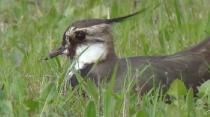
Lapwings like to nest wherever there are good open views of potential predators. Both dry ground with short vegetation as found on the limestone grassland and areas adjacent to the pools on the meadows are used for nesting. Once the young hatch they are usually taken to the wet areas where the feeding is good and the vegetation is starting to grow giving areas to hide in.
Wigeon come in winter to feed on the grassland and roost on the lake. Over 1000 can be seen at times and are always a delight to watch them arrive in large groups making their characteristic whistling call.
Barn Owls regularly hunt over the reserve looking for small mammals. They breed in boxes provided for them and in nearby barns.
Kingfishers use the specially created cliffs for nesting alongside the Sand Martins. The kingfishers thrive on the abundant food supply and usually have two broods each year. The Sand Martins are long distant migrants spending the winter in Africa just south of the Sahara. They breed each year in the limestone cliffs and use the holes specially created for them.
Reed warblers also migrate to Africa each winter. Numbers have increased to over 50 pairs breeding.
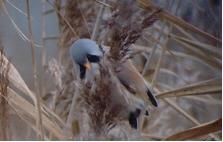
Bearded Tits are becoming more frequent visitors.
The bird list is over 170 species long and continues to grow.
Mammals
Signs of Otters are becoming more frequent with spraint (droppings) and footprints seen in the mud, especially on the washes. Water voles are still present in the ditches around the site.